Pregnancy Diet – Planning for Your First Trimester
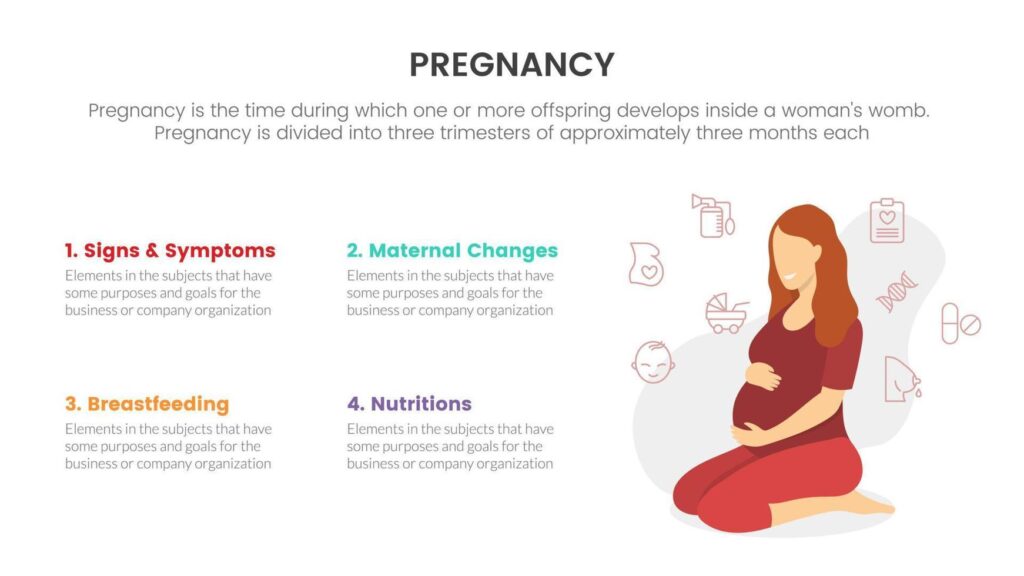
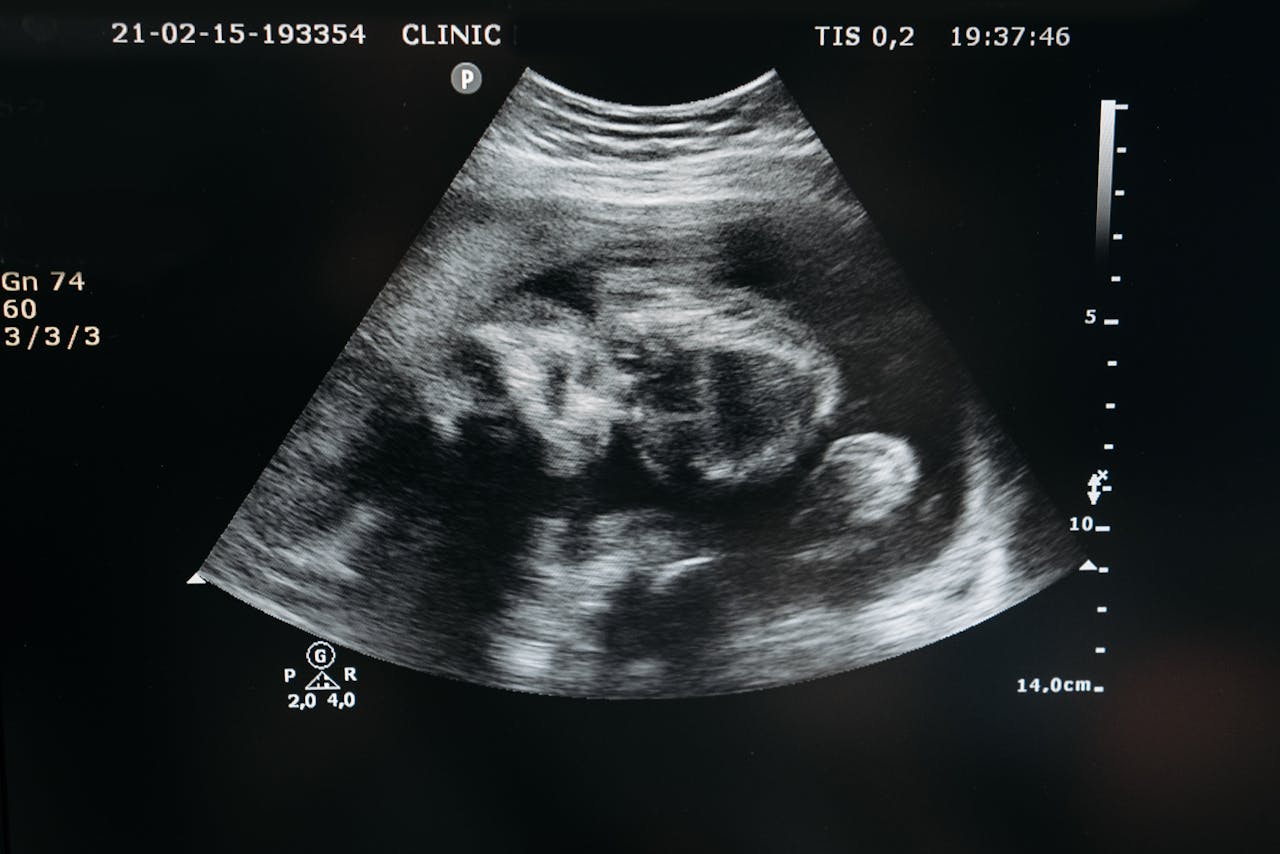
During the first trimester of your pregnancy, your baby will develop almost completely. The major developments that take place after the first trimester include lung development, brain development, and overall growth. So it’s crucial that you eat a healthy diet from the very beginning and, ideally, before you even conceive.
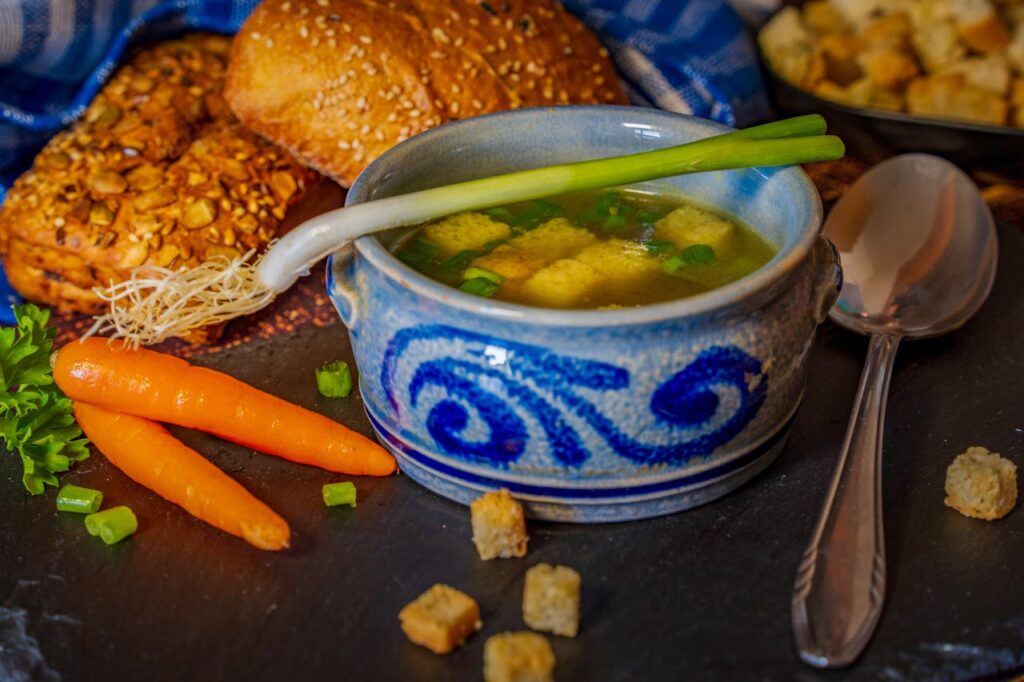
Unfortunately, the first trimester of pregnancy is also when most women experience morning sickness, which can make it difficult to eat a healthy diet. When you’re experiencing nausea and vomiting, choose small, light meals at frequent intervals. Each woman responds to food differently – most women can tolerate light and relatively bland foods, like yogurt, cereal and fruit. Fruit smoothies are a popular choice with women suffering from morning sickness. Other women find that spicy foods actually help them feel better. Listen to your own body to determine what’s right for you.
If nausea is a problem first thing in the morning, try keeping some nonperishable food by your bedside, such as saltine crackers or ginger cookies, and having some before you get out of bed. There are also a number of home remedies for morning sickness you can try, including ginger ale and lemon drops.
In addition, it’s important to stay hydrated at all times, but especially if you’re losing fluids by vomiting. Make sure to drink several glasses of water each day and if you’re having trouble keeping down fluids, talk to your health care provider. Dehydration can be dangerous for you and your baby, so your doctor may prescribe medication to help control nausea and vomiting and give you supplemental fluids to help you combat symptoms.
Even before you conceive, you should be eating as healthy a diet as possible. Eliminate junk food, processed foods, trans fats and excess sugar from your diet, and focus instead on eating lean protein, fruits and vegetable, whole grains, dairy and healthy fats. These foods will also form the basis of your diet once you are pregnant, so it’s a good habit to get into. Avoid foods that are specifically known to be hazardous to pregnant woman, including sushi or foods containing raw eggs.
It’s also a good idea to begin taking a prenatal vitamin and mineral supplement several months before you plan to conceive and to keep taking it throughout your first trimester. One of the nutrients that’s especially important in the first trimester is the B vitamin folic acid. This vitamin has been proven to prevent neural tube defects, a defect that occurs when the tissues around your baby's spinal column don’t form properly. There are few natural sources of folic acid in food, and we actually have trouble absorbing them. Many grain products are enriched with folic acid, but your best bet is to take a prenatal supplement with adequate amounts of folic acid in it. Having a well-nourished body before you conceive will also help you through those weeks when may have morning sickness and have trouble eating.
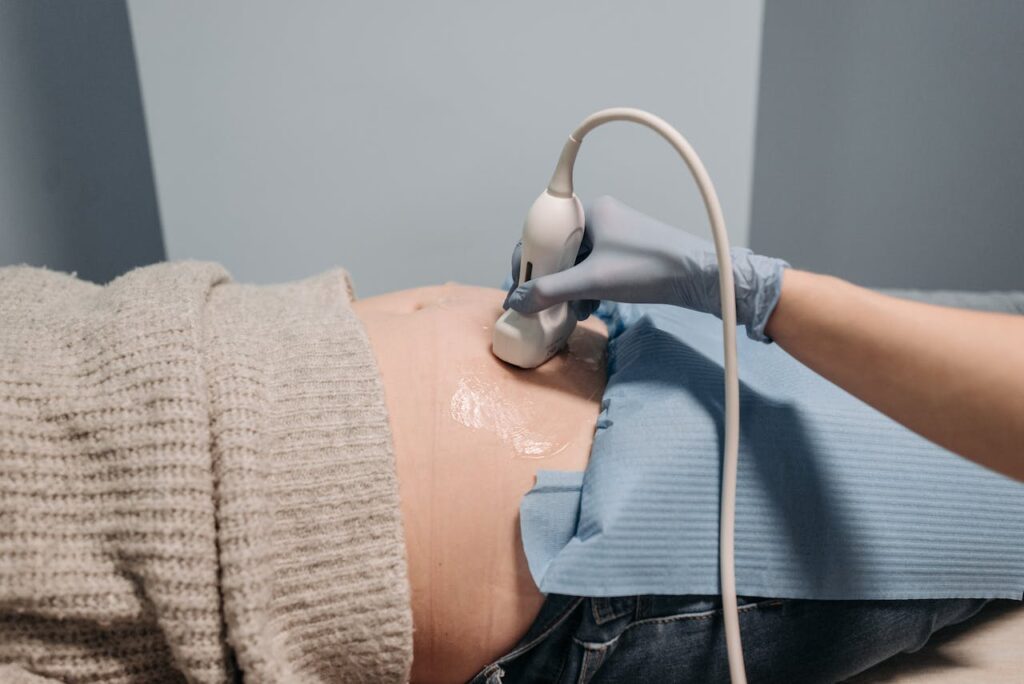
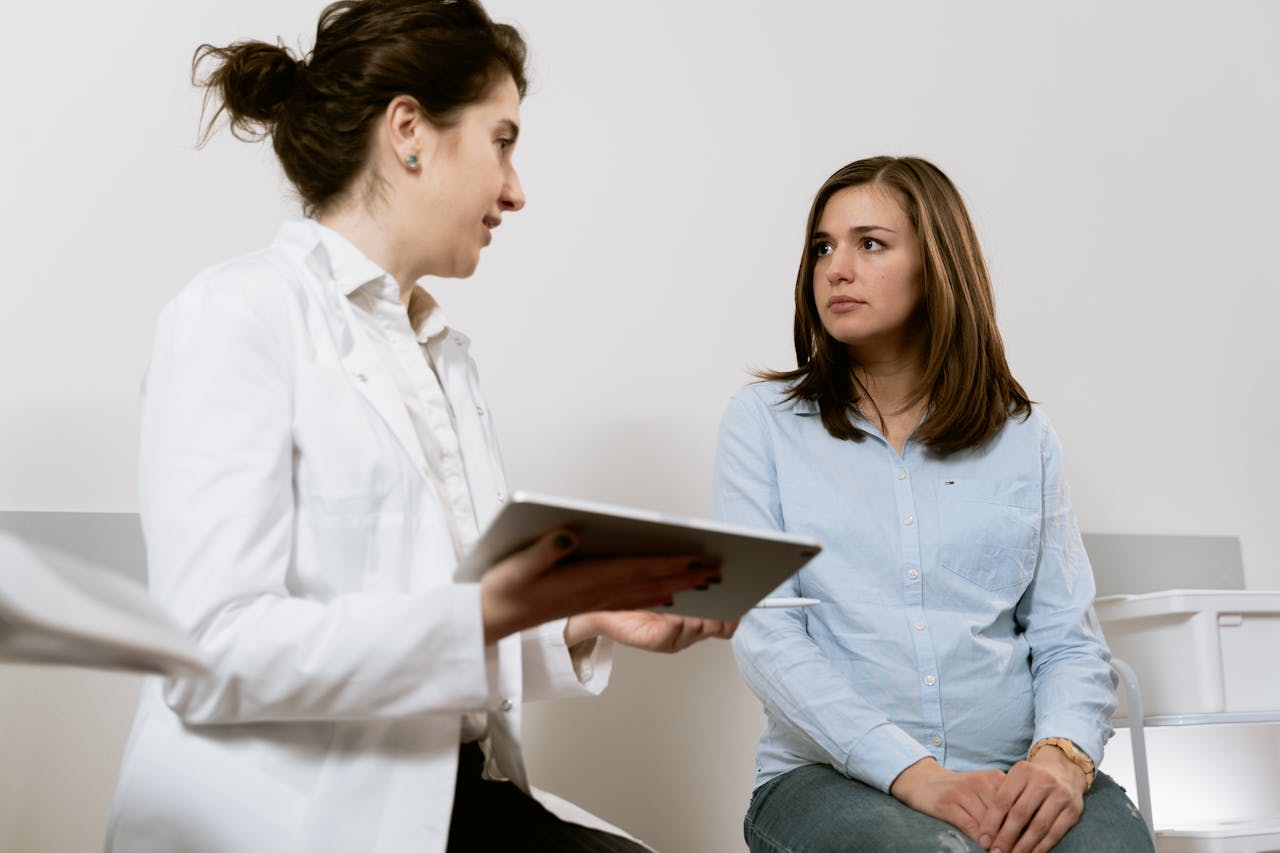
It’s also a good idea to schedule an appointment with your health care provider before you conceive. Your health care provider can help you develop a plan for a healthy diet, address any special nutritional concerns you may have and help you prepare for a healthy pregnancy in other ways, such as receiving any immunizations or tests you require. Your health care provider can also provide you with a prescription for a prenatal vitamin and mineral supplement or you can purchase an over-the-counter brand that meets your needs.