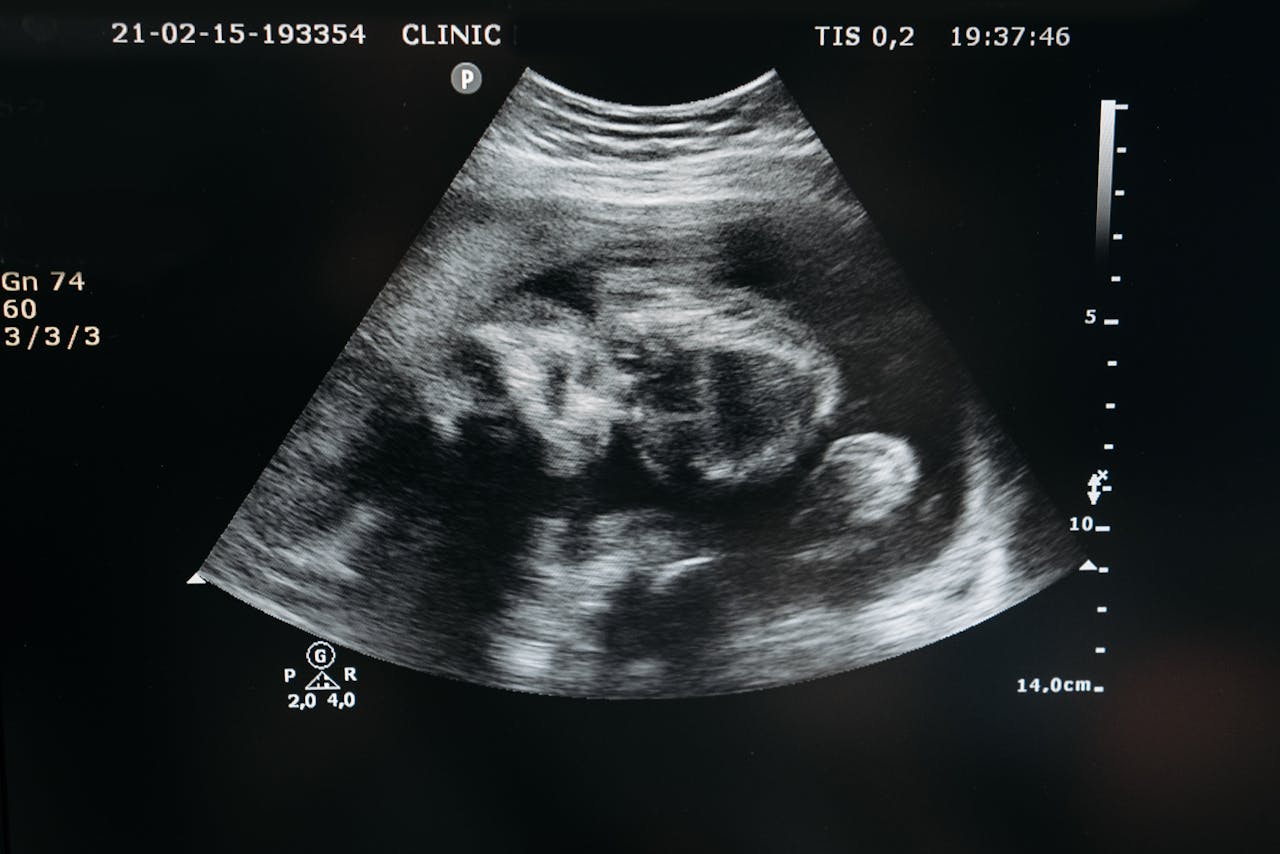
pregnancy period
AddThis Social Bookmark Button
  pregnancy icons
pregnancy pregnancy symptom pregnancy period
pregnancy period pregnancy Getting Pregnant Pregnancy Symptom Pregnancy Tests Pregnancy Types Pregnancy Stages Pregnancy Nutrition Pregnancy Exercises Maternity Clothes Labour and delivery Baby Shower After Pregnancy Childcare Pregnancy Complications
  Pregnancy Problems
  Pregnancy risk
  Pregnancy Complication
  Pregnancy Complication
  Nausea During Pregnancy
  Pregnancy Morning Sickness
  Morning Sickness Relief
  False Pregnancy
  Pregnancy Spotting
  Pregnancy High Blood Pressure
  Heartburn Pregnancy
  Miscarriage Pregnancy
  Termination of Pregnancy
  Pregnancy and Depression
  Pregnancy Constipation
  Cause of Stretch Marks
  Stretch Mark Treatment
  Stretch Mark Removal
  Home Remedy for Stretch Marks
  Laser Treatment for Stretch Marks
  Lotion for Pregnancy Stretch Marks
  Stretch Marks Breast
  Birth Defects
  Breech Birth
  Partial Birth Abortion
  Pregnancy And Asthma
  Premature Birth

Get Free Pregnancy Tips In Your Email

Nausea During Pregnancy - Take It Easy, Eat Little And Often

In the first half of pregnancy, feeling sick or nausea during pregnancy is quite common, as is vomiting. The degree of nausea and vomiting varies woman to woman. You may just feel a little sick in the morning and throw up once, or your may suffer from constant nausea and frequent vomiting throughout the day. Mostly, nausea during pregnancy stops after the first three months of pregnancy. At times, it remains there even after four or five months.

Simple Ways Of Avoiding Nausea

In the morning, take your time getting out of bed. If you tend to feel really sick in the morning, eat a little as soon as you wake up and before getting out of bed. Ask your partner to bring the food to you, or prepare a snack the night before and leave it beside your bed nausea during pregnancy mainly happens in the morning and is also termed as ‘Morning Sickness’.

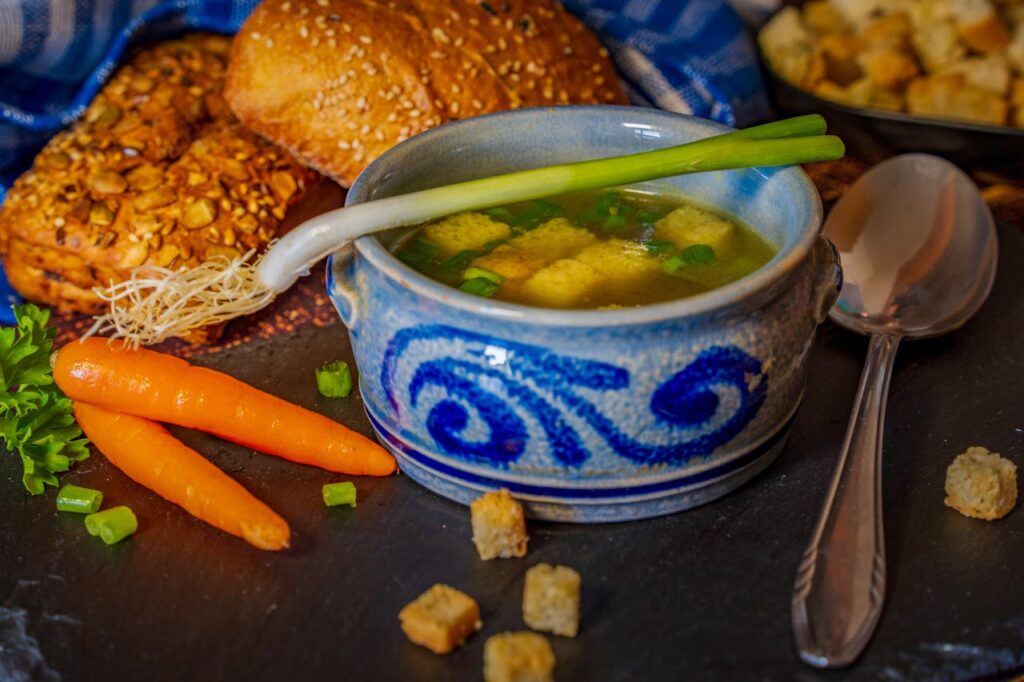
Throughout the day, eat little and often, every two or three hours - even if you're not hungry. Drink a lot of liquid, preferably 10 to 12 glasses of water, fruit juice or herbal tea each day. Avoid food containing a lot of fat or spices. Avoid alcohol and caffeine. Eat dry crackers, toasted bread or rusk. Ginger tea or ginger tablets can help reduce nausea. Take rest several times, a day. Lie down with a pillow under your head and legs. Move slowly and avoid sudden movements.

After eating, sit down so that gravity helps to keep the food in your stomach and avoiding nausea during pregnancy. Avoid smells that make you feel sick or throw up. Don't brush your teeth immediately after eating because this can cause vomiting. Get some fresh air and exercise by going for a little walk every day. Avoid smoking. Not only is it harmful for you and your child, it also diminishes your appetite thereby increasing the dilemma. At night, before landing onto the bed, have a snack such as yoghurt, bread, milk, cereal or a sandwich. Take some more of light snack, if you feel like, during the night. Leave ample scope for proper ventilation in your room.

Nausea during pregnancy is the most commonly felt among women. It occurs due to several changes in the body and the body reverts back to them in different ways, one of them being Nausea.

Google
 
  Pregnancy | Pregnancy | Planning | Symptoms | Tests | Types | Stages | Diet | Exercises | Clothes | Labor | Baby Shower | After Pregnancy | Childcare | Complications
sitemapcontact uspregnancy