pregnancy period
AddThis Social Bookmark Button
  pregnancy icons
pregnancy pregnancy symptom pregnancy period
pregnancy period pregnancy Getting Pregnant Pregnancy Symptom Pregnancy Tests Pregnancy Types Pregnancy Stages Pregnancy Nutrition Pregnancy Exercises Maternity Clothes Labour and delivery Baby Shower After Pregnancy Childcare Pregnancy Complications
  Pregnancy Problems
  Pregnancy risk
  Pregnancy Complication
  Pregnancy Complication
  Nausea During Pregnancy
  Pregnancy Morning Sickness
  Morning Sickness Relief
  False Pregnancy
  Pregnancy Spotting
  Pregnancy High Blood Pressure
  Heartburn Pregnancy
  Miscarriage Pregnancy
  Termination of Pregnancy
  Pregnancy and Depression
  Pregnancy Constipation
  Cause of Stretch Marks
  Stretch Mark Treatment
  Stretch Mark Removal
  Home Remedy for Stretch Marks
  Laser Treatment for Stretch Marks
  Lotion for Pregnancy Stretch Marks
  Stretch Marks Breast
  Birth Defects
  Breech Birth
  Partial Birth Abortion
  Pregnancy And Asthma
  Premature Birth

Get Free Pregnancy Tips In Your Email

How To Cope With Pregnancy Constipation

Pregnancy constipation is one of the problems that sometimes make a pregnancy less beautiful than it could be. Medically constipation is when the patient has not had more than three bowel movements in a week. But constipation during pregnancy can range from passing small stools to straining while having a bowel movement.

In fact constipation is very common after the delivery. An episiotomy, (torn rectal tissue that has been repaired) often causes painful bowel movements. Caesarian section deliveries may result in a condition called ileus, wherein bowel movements are temporarily paralyzed.

Causes Of Constipation

Pregnancy constipation and constipation is a fairly normal problem and most people face it at some time or other. Normally caused by a change in diet, frequent travel, medicines, stress, surgery and such simple problems, it resolves by itself.

Constipation that requires sustained treatment using laxatives is known as medium-term constipation. Its causes are high fat diets, low liquid intake, drinking high amounts of dehydrating fluids like tea, coffee and alcohol, lack of exercise, lack of sleep, use of certain kinds of medications. Chronic constipation results due to diseases of the GI tract and conditions such as multiple sclerosis, Parkinson's disease, stroke, diabetes, uremia, hypercalcemia, amyloidosis and scleroderma. Diseases of the GI tract which may cause chronic constipation include chronic idopatic intestinal pseudo obstruction, irritable bowel syndrome (IBS), tumors, Hirschsprung's disease and cancer, diverticulosis, colorectal stricture. Most of these problems need specialized care and sustained treatment.

Hints To Help Pregnancy Constipation

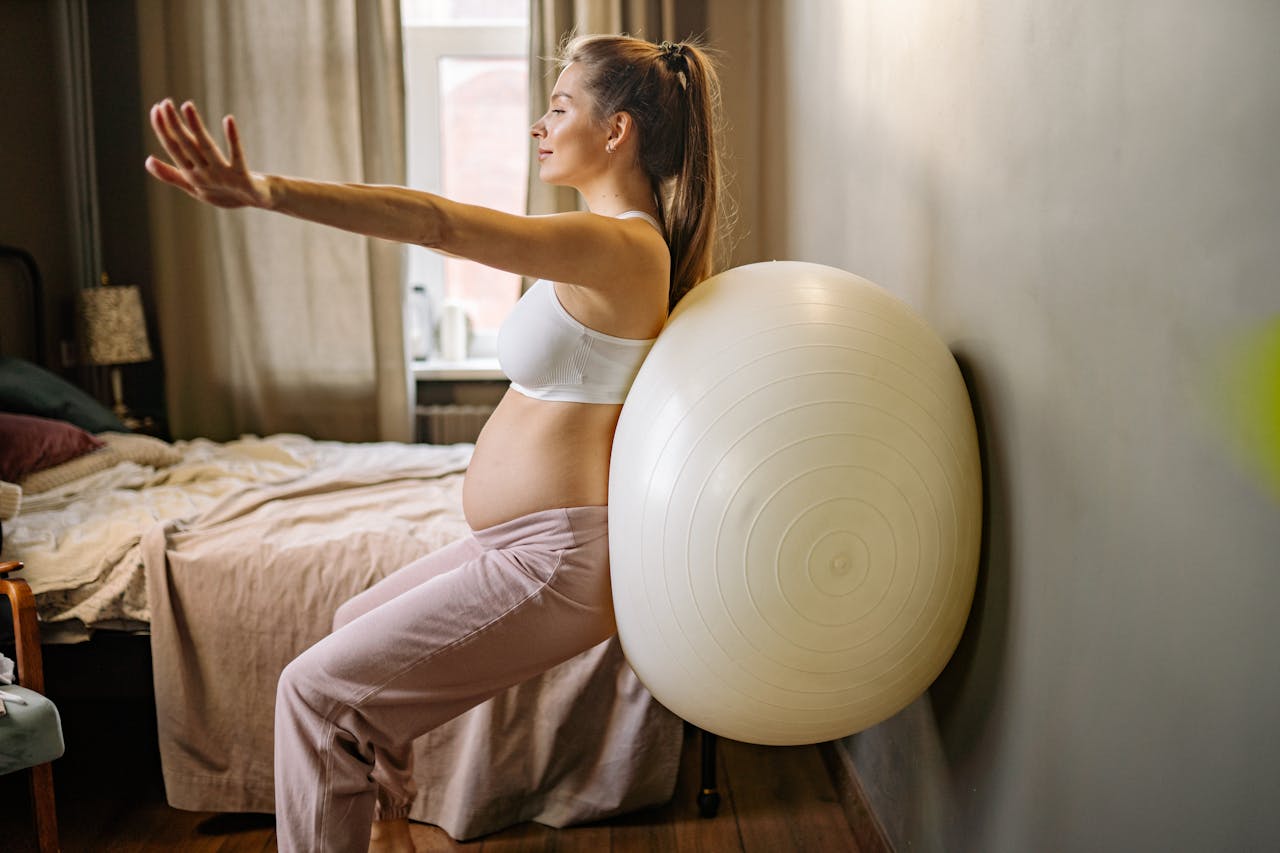
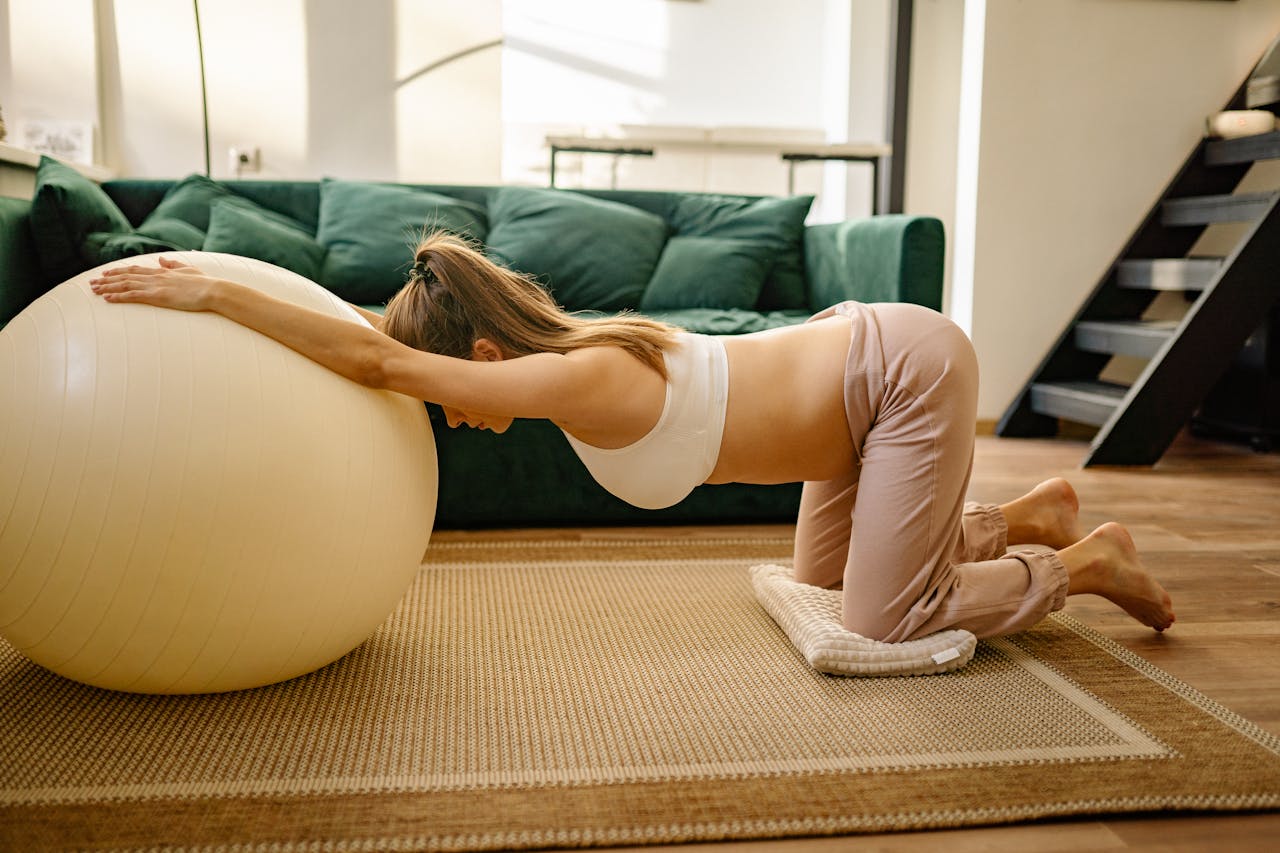
Exercise is perhaps the best prevention for constipation. Even light to moderate walks go a long way in helping reduce constipation symptoms and make the would-be mother feel less bloated.

One must drink lots of fluids during pregnancy. A well hydrated body will not suffer from bouts of constipation. Patients are advised to ensure that correct calcium and vitamin supplements especially formulated for pregnant women are taken during this period. Some women may need stool softeners to help resolve pregnancy constipation, but one must not make this into a habit. It is often best to opt for natural or home remedies, one of which is to alternate between hot and cold foods and drinks. This helps tone the bowel and also help pass gas.

Constipation and pregnancy constipation are normal and often curable conditions. In fact, in most cases constipation resolves by itself after the birth of the baby. So take it as a passing inconvenience rather than a disease and you will sail through your pregnancy.

Google
 
  Pregnancy | Pregnancy | Planning | Symptoms | Tests | Types | Stages | Diet | Exercises | Clothes | Labor | Baby Shower | After Pregnancy | Childcare | Complications
sitemapcontact uspregnancy