pregnancy period
AddThis Social Bookmark Button
  pregnancy icons
pregnancy pregnancy symptom pregnancy period
pregnancy period pregnancy Getting Pregnant Pregnancy Symptom Pregnancy Tests Pregnancy Types Pregnancy Stages Pregnancy Nutrition Pregnancy Exercises Maternity Clothes Labour and delivery Baby Shower After Pregnancy Childcare Pregnancy Complications
  Pregnancy Labor
  Labor and Delivery
  Pregnancy Labor
  Pregnancy Labor Stage
  Early Labor
  Child Birth
  Natural Child Birth
  Ceaserian Birth
  Foreceps
  Multiple Birth
  Water Birth
  Hypnosis Childbirth
  False Labor
  Induce Labor
  Self Indce Labor
  Labor and Delivery Nurse
  Pregnancy Labor Food
  Pregnancy Labor Cramp
  Pregnancy Natural Labor
  Pregnancy Sign of Labor
  Early Sign Labor
  Pregnancy Labor Pain
  Reduce Pregnancy Pain
  Preparation Labor
  Care For Placenta
  Labioplasty
  Plastic Surgery
  Home Births
  Labor Countdown

Get Free Pregnancy Tips In Your Email

An Overview On Pregnancy Cramps

Pregnancy cramps are very common in the later stage of pregnancy. The various stages of the process of childbirth depend on the changes in the uterus and cervix.

The First Stage

The first stage commences at the arrival of labor and ends when the cervix is totally dilated to around ten centimeters. If you are a first time mother, then the average length of labor can range anywhere between ten to fifteen hours. The duration lessens with consequent births.

The Second Stage

The second stage starts when the cervix is totally dilated and ends when the baby is born. If you are a first time mother, then the average length of labor can range anywhere between one to two hours. The duration lessens with consequent births.

The Third Stage

The third stage starts with the time the baby is born and ends with the delivery of the placenta. If you are a first time mother, then the average length of this stage can range anywhere between five-to-fifteen minutes. The duration lessens with consequent births.

The Fourth Stage

This stage starts with delivery of the placenta and ends within one-to-two hours of delivery.

Cramps during pregnancy labor usually begin with small contractions and the warning signals of childbirth starts when the waters break.

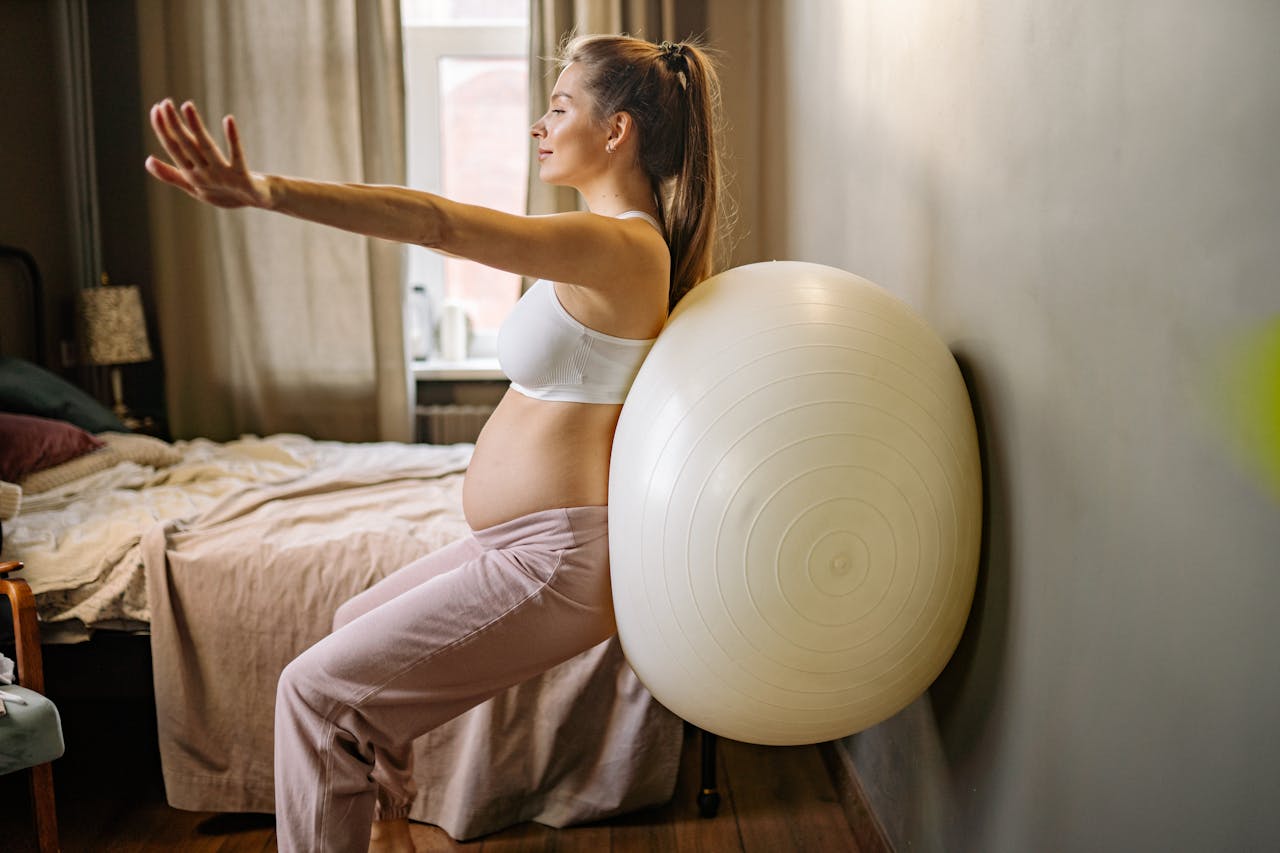
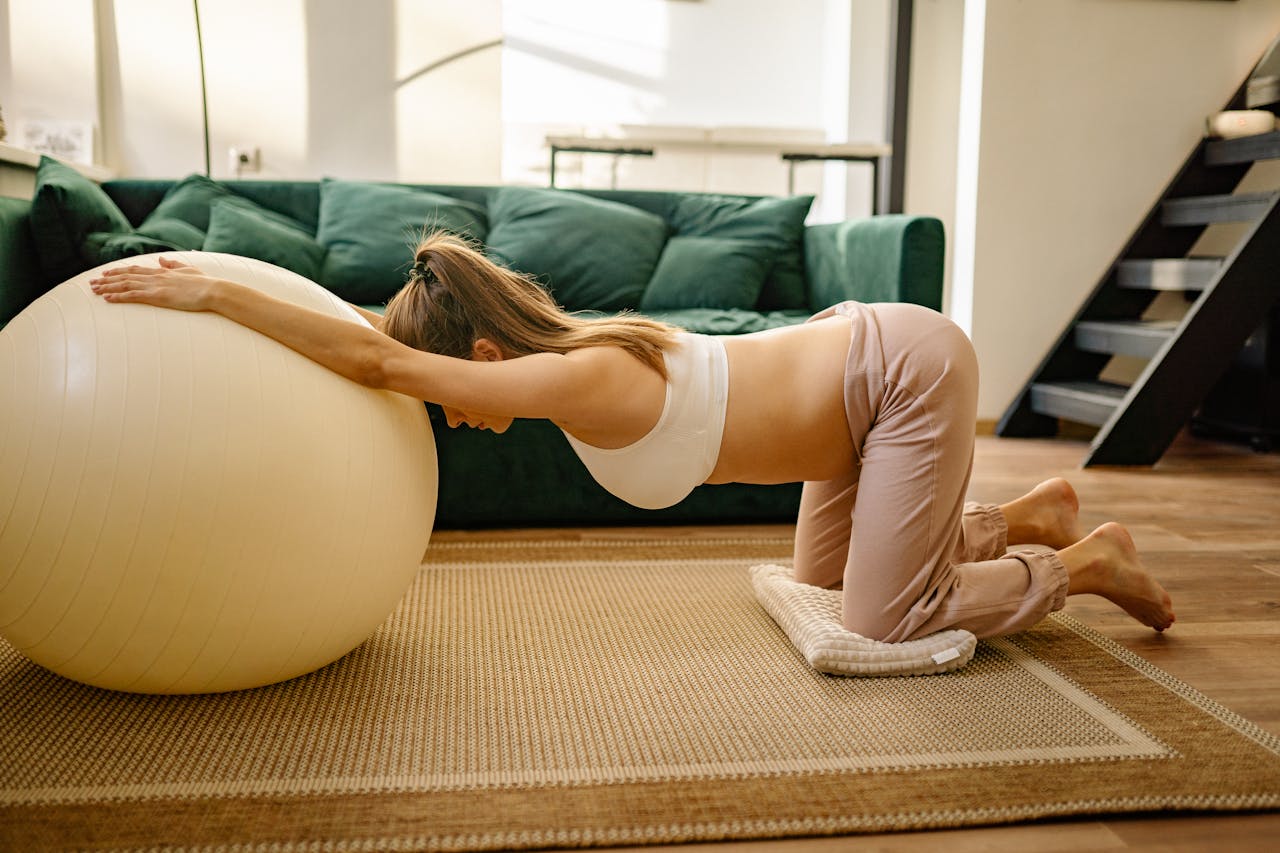
You can reduce the pregnancy cramps by various methods. You must keep in mind that too fast labor will result in tearing and that needs to be avoided. Exercising helps a lot. But that does not mean that you should exercise vigorously. The exercises should be low impact and should be done in short sessions. Swimming is the best form of exercise. It allows you to remove weight from the lower back and increases the suppleness. If you have a fit and toned body, the whole process will be less exhausting for you. It will also go a long way in reducing pregnancy cramps. Walking and yoga is also good.

Hot packs and warm baths also help reduce pregnancy cramps largely. Even if the lower back is massaged, the intensity of pregnancy cramps is reduced. However, you must keep in mind that most women do not want to be touched when they have cramps during pregnancy labor. Even if it is your first-born, you must feel confident about it. Learn to listen to your body. If you feel that there is something wrong, then you must take notice. Hot and spicy foods are known to induce labor but avoid them once the labor is induced. You must keep sipping water or nibbling on ice cubes and ice chips to avoid dehydration. If you keep your body hydrated, you will feel much healthier. Avoid tea, coffee and alcohol as they dehydrate your body. Even having an orgasm is good idea to induce labor. However, if you are nearing your due date, avoid inserting anything in your vagina, as there are chances you might infect yourself or the baby.

Google
 
  Pregnancy | Pregnancy | Planning | Symptoms | Tests | Types | Stages | Diet | Exercises | Clothes | Labor | Baby Shower | After Pregnancy | Childcare | Complications
sitemapcontact uspregnancy