Answers To All Your Queries on Pregnancy Doctor
Every pregnant woman needs prenatal care. It is important to choose a good pregnancy doctor to regularly monitor the progress of pregnancy. This prenatal care provider guides you on various stages of pregnancy and fetal development. S/he also has the expertise to identify the potential problems and complications and tackle them at initial stage itself.
1. What Are The Options Available For Choosing A Pregnancy Doctor?
You can choose from a Doctor (Obstetrician) or a midwife to take care of you during and after your pregnancy.
An Obstetrician is a doctor specialized in medical and surgical care of women during pregnancy, child birth and shortly after delivery. You may also decide for your current gynecologist, if s/he is also an obstetrician.
A certified midwife is a registered and trained nurse who has the experience in taking care of women before, during and after pregnancy. Certified mid-wives provide a suite of services from pre-conception care; care during and after pregnancy, and child birth.
You can make a decision of doctor based on the kind of birthing experience that you are hoping for. 80% of the women opt for Obstetrician (Quote research).
2. What Are The Factors That I Must Consider While Choosing A Doctor for Pregnancy?
The reputation of the pregnancy doctor is an important criterion. Have any of your friends/relations consulted this doctor before?
It is always good to check on the qualifications of the pregnancy doctor and the Hospitals/ Institutes that s/he is associated with.
The comfort factor that you share with the doctor is very important. Does your partner also feel comfortable with this pregnancy doctor? Does the doctor listen carefully to all your concerns and addresses them to your satisfaction? Does the location and timing of the doctor suits you? Is s/he reachable at odd hours, in case of an emergency? 3. What Can I Expect From My Visits To The Pregnancy Doctor? The pregnancy doctor will diagnose you, identify and discuss health problems that you may already have or are likely to develop during pregnancy.
The doctor will also:
- Test blood and urine sample for infections, at an early stage
- Monitor weight gain at various stages
- Measure Blood pressure regularly
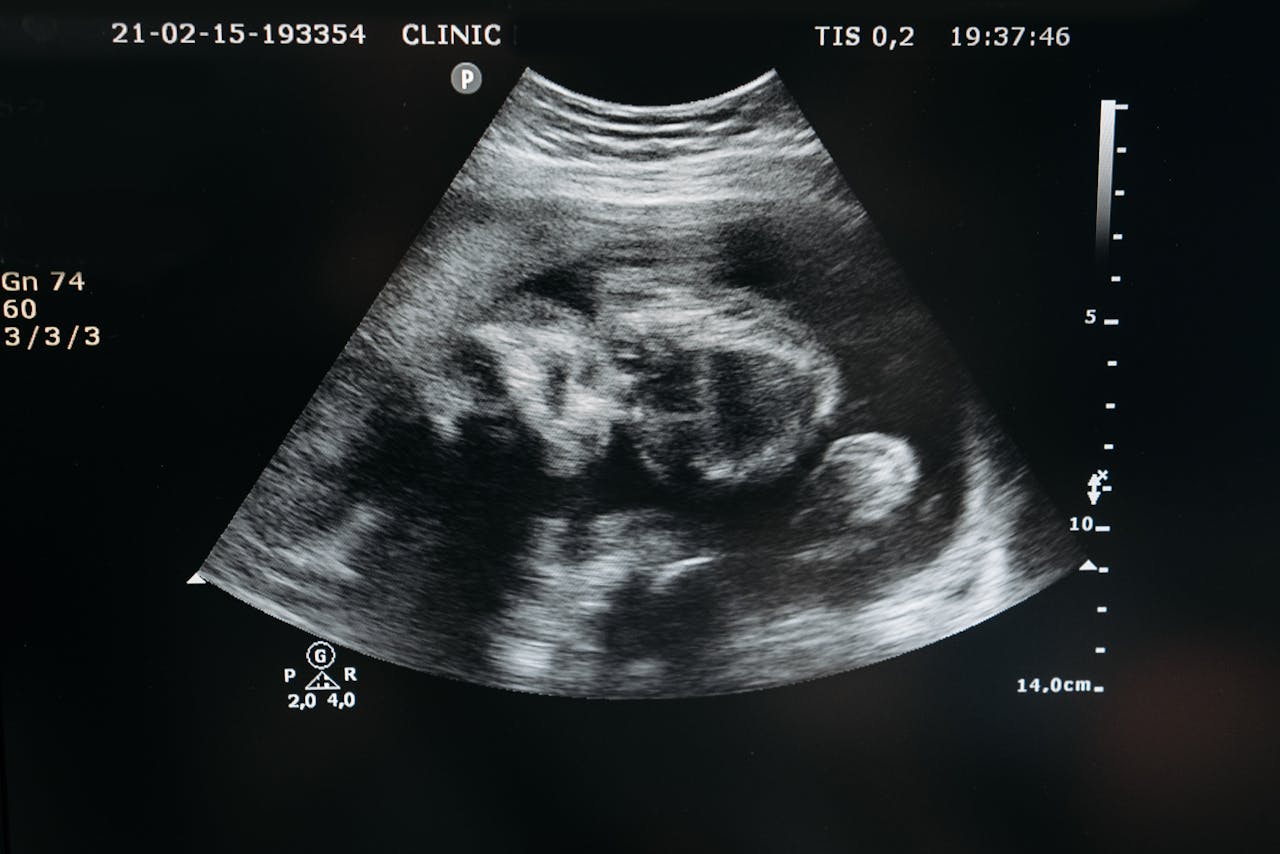
- Test the position of the baby, and monitor the fetal development.
- Check your hands, feet and face for swelling.
- Guide you on vitamin/ calcium supplements that you need to take, at various stages.
S/he will also address all your concerns and apprehensions on pregnancy/delivery and guide you on all aspects of pregnancy.
4. How Frequently Do I Need To Visit The Pregnancy Doctor?
For a low-risk, normally progressing pregnancy, the schedule of visits to a pregnancy doctor is:
4 weeks- 7 months – Once in a month
7-9 months – twice in a month
9 months- till child-birth – once every week
A woman with a "high risk" pregnancy may need to see her prenatal care provider more frequently. 5. What Are The Various Fertility Treatment Options Available With A Pregnancy Doctor?
Infertility can be a male/female factor or a combination of the two. In all cases, the fertility/pregnancy doctor will need to diagnose the couple, as a first step. In many of the cases, the treatment is as simple as lifestyle changes, medication or a simple surgery. The lifestyle changes can be recommendations as simple as weight loss, quit smoking or coping better with stress at work. In other cases, the fertility specialist based on the diagnosis, recommends and performs infertility treatment for different fertility problems. The options include: In-vitro fertilization (IVF) - is a procedure in which the sperm and embryo are united in a laboratory. Intrauterine insemination (IUI) - is an artificial insemination process, wherein the sperm is artificially placed in a woman's uterus. Intracytoplasmic sperm injection (ICSI) - is a fertility method to treat low sperm count in males.
|