Pregnancy Risk Factors To Guard Against
A healthy pregnancy requires caution against potential pregnancy risk factors. In today’s high stress life environment we may not be able to provide ideal conditions for the healthy development of fetus in the womb, still a little care about factors in our control can ensure the development of a fetus into a healthy child. In the following paragraphs we enumerate some dos and don’ts for expecting mothers. Observing the suggested cautions can go a long way in reducing pregnancy risk.
An expecting mother should be especially careful about adequate nutrition and exercise. Good nutrition is crucial to a developing child. Apart from a healthy regular diet you should get enough folic acid to avoid birth defects. At least 400-1000 micrograms of this essential vitamin B is suggested starting one month before pregnancy and throughout the entire pregnancy. Leafy vegetables, orange juice, and beans are some natural sources of folic acid. In the market you may also get vitamins tablets/capsules with folic acid. A second essential for a healthy child birth is moderate exercise. Exercise improves the mother's mental state and can increase oxygen flow to the fetus. However, over-exertion can be dangerous. Activities like walking, swimming, and yoga are generally advised for pregnant women.
To guard against unwarranted pregnancy risk expecting mothers should strictly avoid alcohol, smoking and caffeine. Doctors say that drinking during pregnancy can cause fetal alcohol syndrome, including symptoms like low birth weight, medical problems, and behavior abnormalities. So expecting mothers should stop drinking as soon as they know about pregnancy. Similarly smoking during pregnancy reduces the amount of oxygen that the baby receives and increases the risk of miscarriage, bleeding, and morning sickness. The FDA also warns against caffeine consumption during pregnancy. Caffeine has been shown to affect fetal heart rates and awake time (fetuses grow when sleeping). Caffeine also increases risk of stretch marks.
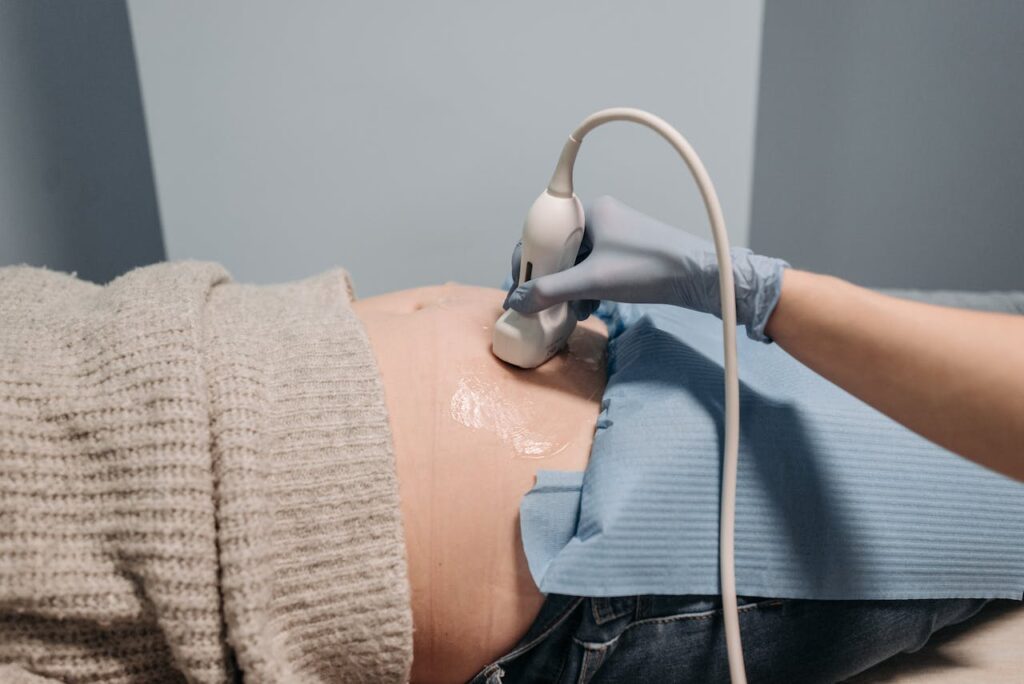
There are several other factors which may pose pregnancy risk and affect fetal development, including heart disease, the mother's age (before 15 years and after 35 years is riskier), asthma, excessive stress or depression, diseases, and bleeding. It is best to consult your physician if you are affected by any of these conditions. Expecting mothers, apart from the above precautions, should undertake regular prenatal care from doctor/midwife to ensure healthy pregnancy and child delivery. The body undergoes many changes during pregnancy. Some side effects may be completely normal, whereas other may not. Regular monitoring by a professional will help ensure that you avoid unwarranted pregnancy risk and your baby is born healthy.
|